For homeowners considering adding more space to their property, timber frame extensions offer an attractive solution, combining both aesthetic appeal and functionality. This guide provides a comprehensive overview of the costs associated with timber frame house extensions. Whether you’re drawn to the speed of construction, the environmental benefits, or the long-term savings, understanding the financial implications is crucial. From material costs to labour expenses, this guide will equip you with the knowledge needed to budget effectively, ensuring your dream extension is both beautiful and economical. Read on to explore the key factors influencing the cost of your timber frame project.
Brief Overview
Timber frame extensions present an attractive and sustainable option for homeowners looking to expand their living space. Combining aesthetic appeal with functionality, these extensions are celebrated for their swift construction, environmental benefits, and enhanced energy efficiency. Understanding the costs involved, from material choices to labour, is essential for effective budgeting. By opting for sustainably sourced timber, homeowners not only contribute to eco-friendly building practices but also enjoy long-term savings on energy expenses. Thorough planning and informed design decisions ensure a seamless integration with existing structures, elevating both the beauty and value of the home.
Key Highlights
- Timber frame extensions are fast and efficient, reducing build time with prefabricated panels.
- The average UK cost for timber frame extensions ranges from £1,200 to £1,800 per square meter.
- Timber extensions boast eco-friendly benefits with renewable resources and excellent insulation properties.
- Careful design and planning can enhance home value, requiring compliance with local regulations.
- Timber frame extensions provide design flexibility, supporting both traditional and modern aesthetics.
Understanding Timber Frame Extensions
Timber frame extensions are a popular choice for homeowners seeking to add space to their existing properties. Known for their sustainability and unique aesthetic appeal, these extensions offer a modern approach to construction. Embracing timber frame construction can deliver numerous benefits, from efficient energy management to faster build times. In this guide, we’ll explore what defines a timber frame extension and highlight the benefits of choosing this method. Whether you’re considering a single-storey or double-storey addition, understanding these aspects will help you make informed decisions about your home’s future.
What is a Timber Frame Extension?
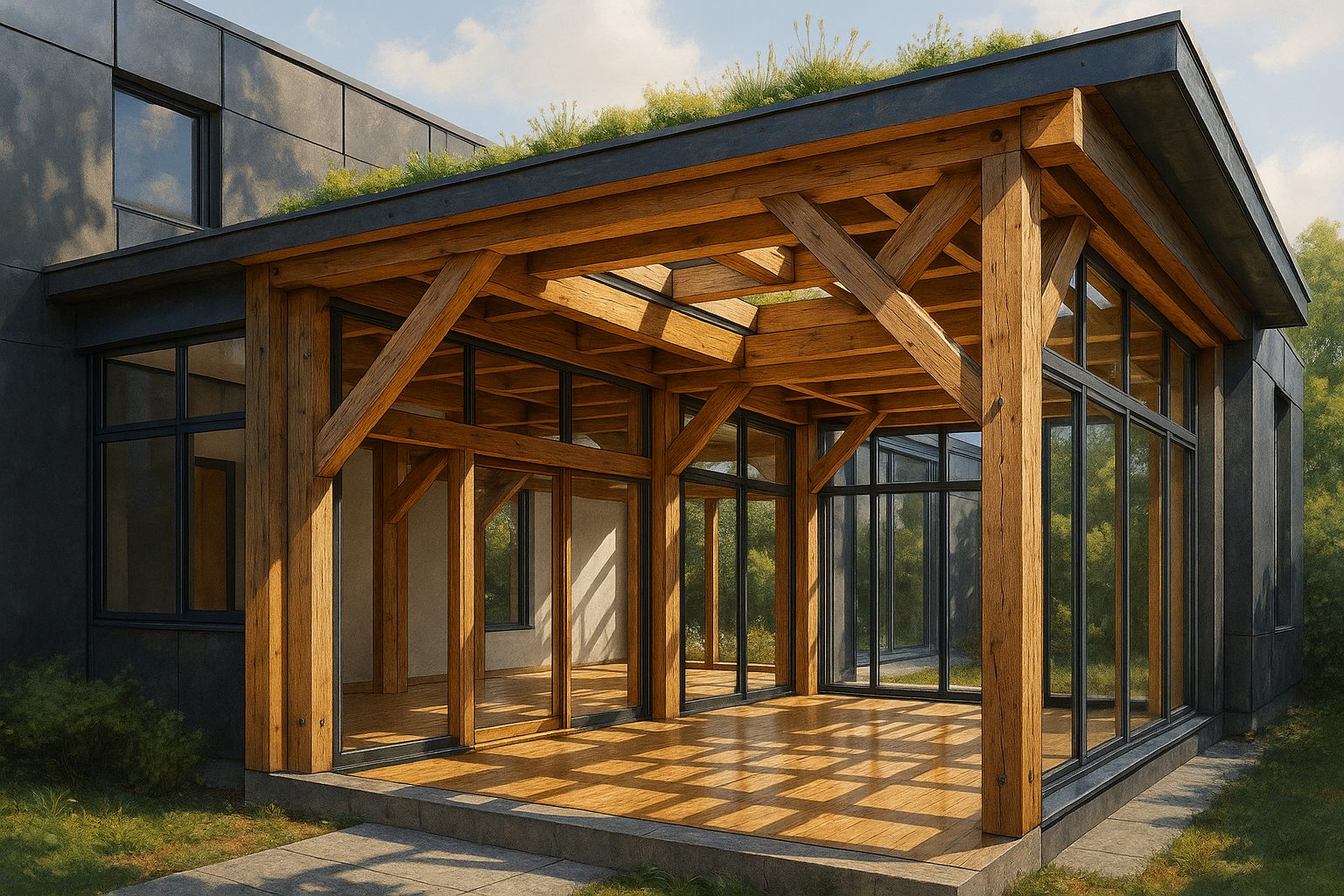
A timber frame extension is a type of construction where the primary structural support is provided by a frame made from timber. This construction method has gained popularity due to its flexibility in design and ease of adaptation to existing structures. Unlike traditional methods that rely heavily on bricks and mortar, timber frame construction uses prefabricated timber panels that are assembled on-site, which significantly reduces build time. These panels are created by laminating multiple layers of timber to create a strong, stable structure, ideal for both load-bearing and non-load-bearing applications. Additionally, timber frame extensions are highly customizable, allowing for a variety of cladding materials like brick, render, or wood panelling to complement the home’s architectural style.
The advantages of using timber extensions also lie in their environmental benefits. Timber is a renewable resource, and when sourced responsibly, it contributes to sustainable building practices. Many homeowners appreciate the reduced environmental impact compared to traditional masonry construction. The lightweight nature of timber also means less need for intensive foundation work, which can save costs and reduce disruption during construction.
Your home’s energy efficiency can be notably improved with a timber frame extension. The materials used in timber frame extensions provide excellent thermal insulation, helping to keep your home warm in the winter and cool in the summer, ultimately leading to reduced energy bills. This insulation performance comes from the inherent properties of timber as well as the precision with which these frames are manufactured. Additionally, timber frames can incorporate high-performance windows and doors, further enhancing the energy efficiency of the extension.
Benefits of Choosing Timber Frame for Extensions
Choosing a timber frame for your house extension offers several notable advantages. One of the most significant benefits is the speed of construction. With prefabricated elements, a timber frame extension can be erected more quickly than traditional methods, minimizing build time and the disruptions associated with it. This is particularly beneficial in climates where weather can delay construction processes, as timber frame projects can often proceed regardless of minor weather delays.
Durability and strength are other key factors that make timber frames an attractive option. Engineered to exacting standards, modern timber frames offer exceptional load-bearing capabilities, making them suitable for a wide range of architectural designs, including ambitious and complex structures. The versatility of timber allows for both modern and traditional design aesthetics, providing homeowners with the flexibility to achieve the look they desire.
The eco-friendly nature of timber frame extensions cannot be overstated. Timber inherently has a low carbon footprint, which is complemented by its ability to store carbon throughout its life cycle. When paired with sustainable forestry practices, timber becomes a critical component of sustainable construction. This focus on green building practices aligns with growing homeowner and architectural trends towards environmental responsibility.
Moreover, timber’s natural insulation properties contribute to enhanced thermal performance, which helps maintain a comfortable indoor environment and reduces reliance on mechanical heating and cooling systems. This can lead to significant reductions in energy usage and costs, providing long-term savings for homeowners. Additionally, timber frame extensions often incorporate innovative insulation materials and techniques, further enhancing their environmental efficiency.
Finally, timber’s aesthetic appeal is unmatched. The natural grain and texture of wood can add warmth and character to an extension, creating a seamless transition between indoor and outdoor spaces. Timber can also be stained or painted in various finishes to meet personal design preferences, making it a versatile choice for any home.
Cost Considerations for a Timber Frame Extension
Understanding the cost considerations for a timber frame extension is crucial for effective budgeting. Numerous factors influence the overall cost, from material and labour to design complexity and site conditions. Whether you’re planning a simple expansion or a multi-storey addition, a detailed analysis of these elements will ensure your project remains financially viable. We’ll explore the key variables that drive the costs and provide insight into the average expenses associated with timber frame extensions, giving you a solid foundation to embark on your home extension journey.
Factors Affecting the Extension Cost
The cost of a timber frame extension is influenced by several factors that homeowners need to consider. Material choice is one of the primary elements affecting costs. While timber itself is a renewable and eco-friendly option, the type of timber used can differ significantly in price. High-quality, sustainably sourced timber will generally cost more but offers advantages in terms of durability and aesthetic appeal. Prefabricated timber panels can also impact the overall expense, offering potential savings on labour due to reduced construction time on site.
The complexity of the extension design has a substantial impact on cost considerations. More intricate designs requiring additional engineering work or custom architectural features will escalate the budget. Homeowners should also consider the cost implications of integrating specialty elements, such as high-performance insulation, energy-efficient windows, and bespoke interior finishes, which can enhance the overall value of the extension.
Site conditions play another vital role in determining the extension cost. The presence of difficult terrain, existing structures, or the need for extensive foundation work can raise the construction budget. Logistics like accessibility to the site and local labour rates further contribute to variability in costs. It’s crucial to assess these elements early in the planning process to create a realistic budget.
Labour costs and project management can additionally influence the total expense. Skilled labour ensures quality workmanship but may come at a higher price, which is an essential factor when calculating the extension costs. To manage these aspects effectively, it is beneficial to consult cost guides and gather quotes from multiple contractors, ensuring that you’re receiving a competitive rate for your project.
Average Costs for Timber Frame Extensions
When planning for a timber frame extension, understanding the average costs involved is key to managing your budget effectively. Generally, the cost of a timber frame extension in the UK can range from £1,200 to £1,800 per square meter. This estimate includes the basic structure but can vary based on specific choices regarding material, design complexity, and additional features. Timber frame extensions are often praised for their cost-efficiency due to the speed of construction, potentially reducing labor and associated costs compared to traditional builds.
It’s vital to note that the final expense also depends on the level of customization desired. A simple single-storey extension might sit at the lower end of the price spectrum. In contrast, more elaborate designs with custom architectural elements, advanced glazing systems, and tailored interiors will increase the cost. Homeowners should take into account any planning permissions and related fees, as these are a necessary part of the total financial commitment.
Timber frame materials themselves can be a significant investment. Opting for higher-grade timber can improve the longevity and appeal of the extension but at a higher initial cost. Additionally, homeowners should consider using cost guides to understand the market rates better and ensure they are making informed decisions about their purchases.
It’s also beneficial to account for unexpected expenses by allocating extra funds for contingencies, usually around 10-15% of the total project cost. This cushioning can help manage unforeseeable issues, like structural adjustments or prolonged project timelines. By thoroughly understanding the average costs and planning accordingly, homeowners can effectively manage their budgets and achieve their desired timber frame extension without compromising on quality or aesthetics.
Planning Your Timber Frame House Extension
Embarking on a timber frame house extension requires thorough planning to ensure a successful outcome. From designing a practical and aesthetically pleasing structure to navigating the complexities of obtaining planning permission, each step must be carefully considered. Thoughtful design can enhance your home’s functionality and value, while the correct planning process ensures compliance with local regulations. We’ll delve into the nuances of crafting a tailored design and securing necessary permissions, providing invaluable insights to guide your timber frame extension journey.
Designing Your Timber Frame Extension
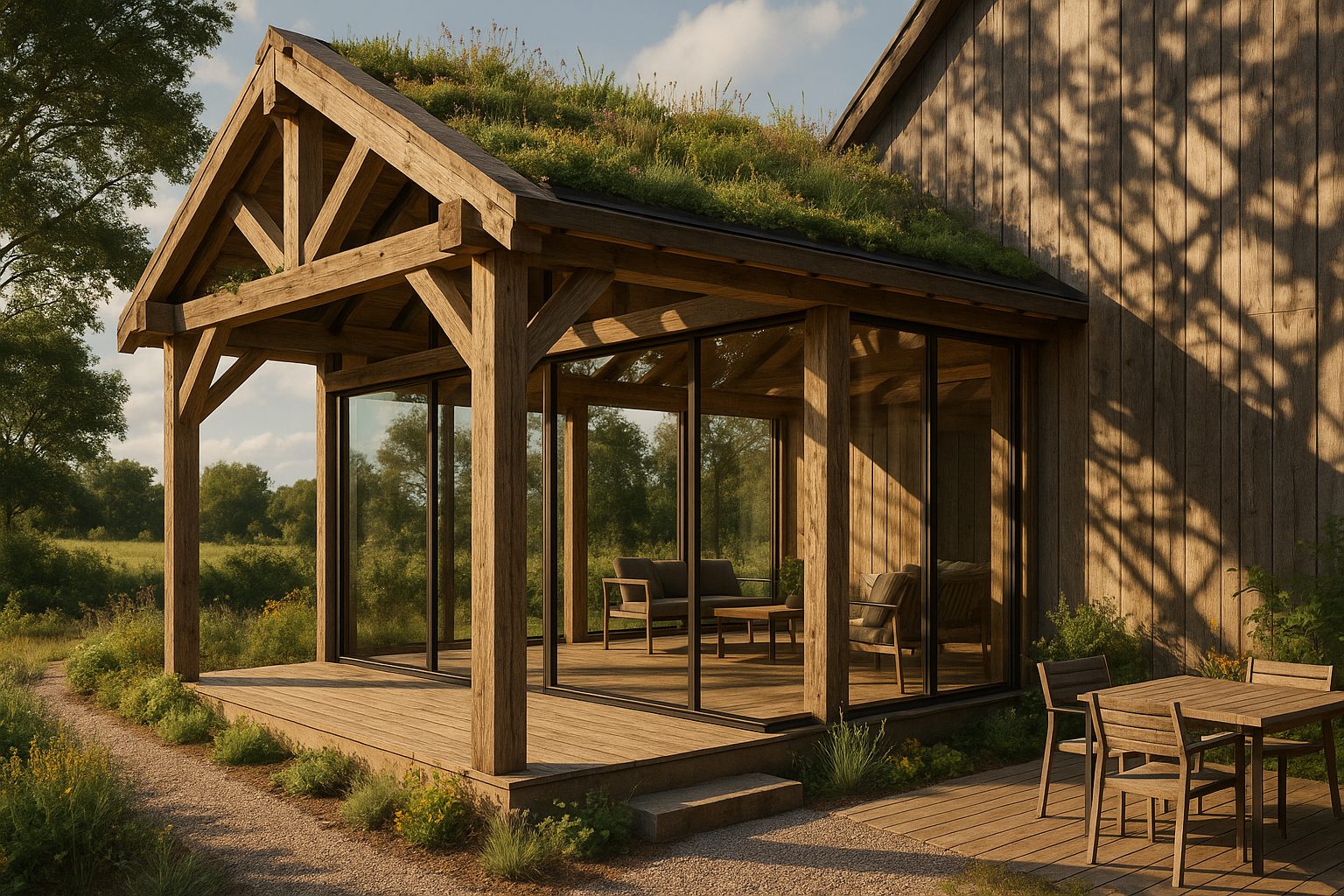
Designing a timber frame extension is a creative process that balances aesthetics, functionality, and budget. One of the main benefits of using timber frame construction is its flexibility in design, allowing you to achieve both traditional and contemporary styles. When starting the design process, it’s essential to consider the purpose of the extension. Whether you’re expanding your kitchen, adding a new living space, or creating a home office, each choice impacts the layout and materials involved. Timber frames provide the structural backbone, making it simpler to incorporate elements such as large windows or open-plan spaces, enhancing natural light and making the space feel more expansive.
To ensure your design is both practical and visually appealing, work closely with an architect experienced in timber frame extensions. They can provide insights into what materials best align with your vision while considering cost-effectiveness and sustainability. Using sustainably sourced timber is a great way to enhance environmental benefits while also benefiting from the material’s inherent strength and insulation properties. By selecting the right materials, you can maintain a balance between aesthetics and energy efficiency, which is crucial in today’s environmentally conscious market.
As you fine-tune the design, pay attention to how the new structure will connect with the existing property. The integration should ensure continuity in design aesthetics, complementing the existing architecture. This cohesiveness will greatly enhance the overall value and appeal of your home. While the visual aspects are vital, don’t overlook practical considerations such as establishing a clear budget. Understanding the scope of the design and associated costs, from high-quality timber to premium finishes, allows for more accurate budget planning. Using tools like cost guides and consulting with professionals can offer a realistic financial perspective, aiding in an informed decision-making process. Ultimately, meticulous planning and creative design enable you to craft a timber frame extension that serves your needs now and in the future.
One of the most rewarding aspects of designing a timber frame extension is the opportunity to create a space that harmoniously blends with your existing home while enhancing its functionality and aesthetic appeal. As we delve into optimizing the design and construction process, consider these critical factors to ensure a seamless and successful extension:
- Mindful Material Selection: Choose sustainable and high-quality timber that complements the architectural style and ensures durability.
- Energy Efficiency: Incorporate energy-efficient solutions, such as insulation and double-glazed windows, to minimize environmental impact and lower utility costs.
- Integration with Existing Structures: Design the extension to seamlessly integrate with the existing building, maintaining structural integrity and visual consistency.
- Space Planning: Utilize strategic layout planning to maximize usability and flow between rooms, tailored to your lifestyle needs.
- Cost Management: Develop a detailed budget with contingency plans to manage expenses without compromising on quality.
- Local Regulations and Permits: Ensure compliance with local building codes and obtain necessary permits to prevent legal complications.
- Collaboration with Professionals: Work closely with experienced architects and builders to bring your vision to life, benefiting from their expertise and guidance.
By thoroughly considering these elements, you can create a timber frame extension that not only adds value to your property but also enriches your living experience with thoughtful design and efficiency.
Obtaining Planning Permission for a Timber Frame
Securing planning permission is a critical step in the timber frame extension process, ensuring that your project complies with local building regulations and communal standards. The requirement for planning permission depends on various factors, including the size of the extension, its location, and local development policies. Before embarking on any construction, it’s crucial to consult with your local planning authority to understand their specific requirements, as ignoring these can result in costly delays or legal issues. Navigating this step early in your process saves time and minimizes obstacles during construction.
The planning application should include detailed plans of the proposed extension, highlighting its scale, design, and impact on neighbouring properties. Engaging an architect familiar with local planning policies can help tweak your designs to align with regulatory standards, ensuring a streamlined approval process. Additionally, preparing an impact assessment that considers environmental and neighbourhood concerns can strengthen your application. Highlighting the use of sustainable timber and energy-efficient construction techniques can emphasize the project’s minimal environmental footprint, aligning with the growing trend towards sustainable living.
Understanding the intricacies of planning permission, such as listed building consent or conservation area regulations, is crucial. If your home is a listed building or located in a conservation area, your designs might face stricter scrutiny, requiring precise documentation and rationale for any modifications. Early engagement with heritage consultants or conservation officers can lead to more robust proposals that are more likely to gain approval.
Once submitted, maintain regular communication with your local authority to address any questions or concerns promptly. This proactive approach can facilitate a smooth pathway through the planning system. Ultimately, obtaining permission is not merely a bureaucratic hurdle but a vital part of the project that ensures your timber frame extension is a harmonious addition to your home and community. By meticulously preparing and presenting your plans, and adhering to all necessary guidelines, you lay the groundwork for a successful and compliant home extension.
| Design Considerations | Benefits of Timber Frames | Planning Permission Requirements | Execution Tips |
| Ensure compatibility with existing structure | Eco-friendly and sustainable | Submit detailed plans to local authorities | Hire experienced professionals |
| Select appropriate architectural style | Quick to construct | Understand local zoning laws | Set a realistic budget |
| Consider insulation and energy efficiency | Flexible design options | Prepare necessary documents (e.g., site plans) | Communicate effectively with builders |
| Plan space utilization carefully | Durable and strong | Consult with a planning expert | Regularly monitor progress |
This table provides a streamlined overview of the essential steps and considerations involved in planning and executing a timber frame house extension, offering valuable insights for homeowners embarking on this journey.
Building Your Timber Frame Extension
Embarking on a timber frame extension project opens the door to enhancing your home with sustainable and efficient construction methods. This section details the involved steps and provides a comparison of timber frame with other extension methods to guide your decision-making. You’ll discover why timber frame extensions have become a favoured choice among homeowners and the benefits they offer over traditional building methods, as well as the disadvantages. Whether starting from scratch or expanding an existing home, understanding these concepts will pave the way for a successful, modern extension.
Steps Involved in a Frame Extension Project
Successfully executing a timber frame extension project begins with comprehensive planning, ensuring each phase proceeds smoothly and efficiently. The initial step involves thoroughly understanding your goals and envisioning how a timber frame can transform your space. Defining the purpose of your extension, perhaps to gain additional living space, create a home office, or enhance your kitchen, is essential to crafting a functional design. Working alongside an architect experienced in timber frames allows you to integrate personal tastes within the project’s framework, ensuring both function and aesthetic are optimized.
Once the design blueprint is finalized, obtaining necessary permissions, such as planning permits, is crucial. You’ll need to present detailed plans to the local authority, showcasing your commitment to regulations and sustainability mandates, often emphasizing the use of renewable timber. Collaboration with a planning consultant can smooth out this process, ensuring compliance while highlighting the project’s minimized ecological footprint. It’s important to address any potential obstacles early, particularly if the extension affects listed buildings or conservation areas.
Following permission acquisition, the focus shifts to selecting materials and suppliers. Prioritizing high-quality, sustainably-sourced timber not only enhances durability and aesthetic but also aligns with growing environmental consciousness. Coordinating with reputable suppliers ensures timely delivery of prefabricated panels, reducing construction duration significantly. As construction begins, timely scheduling and project management become paramount. Hiring experienced builders familiar with timber framework accelerates the building process, delivering the advantages of rapid erection and energy efficiency inherent in timber frame extensions.
Finally, maintaining ongoing communication throughout the project helps manage expectations and address challenges proactively. Post-construction, attention should turn to finishing touches, such as installing high-performance windows and cladding, which complete the extension and improve insulation, ultimately providing long-term savings on energy costs. Concluding with a thorough inspection ensures your timber frame extension not only meets regulatory standards but enhances your home’s value and functionality, delivering a successful completion.
Timber Frame vs. Other Extension Methods
When considering extension methods, timber frames stand out for their distinct advantages over traditional materials like brick or concrete. One of the most significant benefits is the reduced construction time. Timber frames can be prefabricated off-site and quickly erected, drastically minimizing the build time compared to methods relying on bricks and mortar. This efficiency is not only convenient but can also translate to cost savings, as labour and associated expenses are curtailed. Speedy construction is crucial in regions prone to weather interruptions, as it limits the project’s exposure to adverse conditions, enhancing the project’s resilience.
Timber frame extensions also offer excellent thermal performance. The inherent insulation properties of timber, combined with precise engineering, result in frames that effectively retain heat during winter and remain cool in summer. This capacity reduces reliance on artificial heating and cooling, generating significant energy savings over time. Furthermore, timber’s ability to integrate seamlessly with materials like high-performance glazing or modern cladding opens opportunities for innovative designs that prioritize energy efficiency. Comparatively, brick extensions might necessitate additional insulation measures to achieve similar energy standards, impacting overall costs and design flexibility.
In terms of environmental impact, timber emerges as a superior choice, boasting a lower carbon footprint due to its renewable nature. Sourced from responsibly managed forests, timber contributes to sustainable building practices and reflects a commitment to environmental stewardship, a growing priority for many homeowners and developers. In contrast, brick and concrete manufacture typically consume more energy and release higher emissions, lessening their appeal as sustainable solutions.
Moreover, the versatile aesthetics of timber cannot be overlooked. Timber frames support a range of architectural styles, from contemporary to traditional, thanks to their adaptability and natural charm. This versatility allows for personalization, meeting diverse design preferences with ease. Unlike the often rigid aesthetic options available with brick or concrete, timber can be stained or painted to blend seamlessly with existing structures, enhancing cohesiveness and home value. As the construction landscape evolves, timber frames continue to assert their dominance with a compelling balance of eco-friendliness, efficiency, and aesthetic potential, making them an excellent candidate for your next home extension.
Investing in a timber frame extension offers a cost-effective solution that combines efficiency with aesthetic appeal. With the potential for significant savings on construction time and long-term energy use, these extensions are a financially wise choice for homeowners seeking to expand their living space. As you weigh your options, consider not only the initial outlay but also the value added to your property. To make an informed decision, explore our comprehensive guides and consult our experts, who are ready to assist you in realizing your home’s full potential with a stylish timber frame extension.
FAQs
What are timber frame extensions?
Timber frame extensions are constructions where the primary structural support is provided by timber frames. Known for their sustainability and design flexibility, they are constructed using prefabricated panels to reduce build time and facilitate efficient energy management.
What is the typical cost range for timber frame extensions in the UK?
The average cost for timber frame extensions in the UK is between £1,200 and £1,800 per square meter. This price may vary based on material choice, design complexity, and additional features.
Why choose timber frame extensions over traditional building methods?
Timber frame extensions offer numerous advantages including faster construction due to prefabrication, superior thermal insulation, lower environmental impact, and design versatility, making them a preferred option over traditional brick or concrete methods.
What are the environmental benefits of timber frame extensions?
Timber frame extensions are environmentally friendly due to timber’s renewable nature and low carbon footprint. Sourced sustainably, timber supports eco-friendly building practices, and its natural insulation properties contribute to reduced energy usage.
How do timber frame extensions enhance a home’s energy efficiency?
Timber possesses excellent thermal insulation properties which help maintain indoor temperature, reducing the need for heating or cooling. Prefabricated panels, when paired with high-performance windows, can significantly reduce energy bills.